Intelligence is Solved. Economics next. Now comes the Hard Part
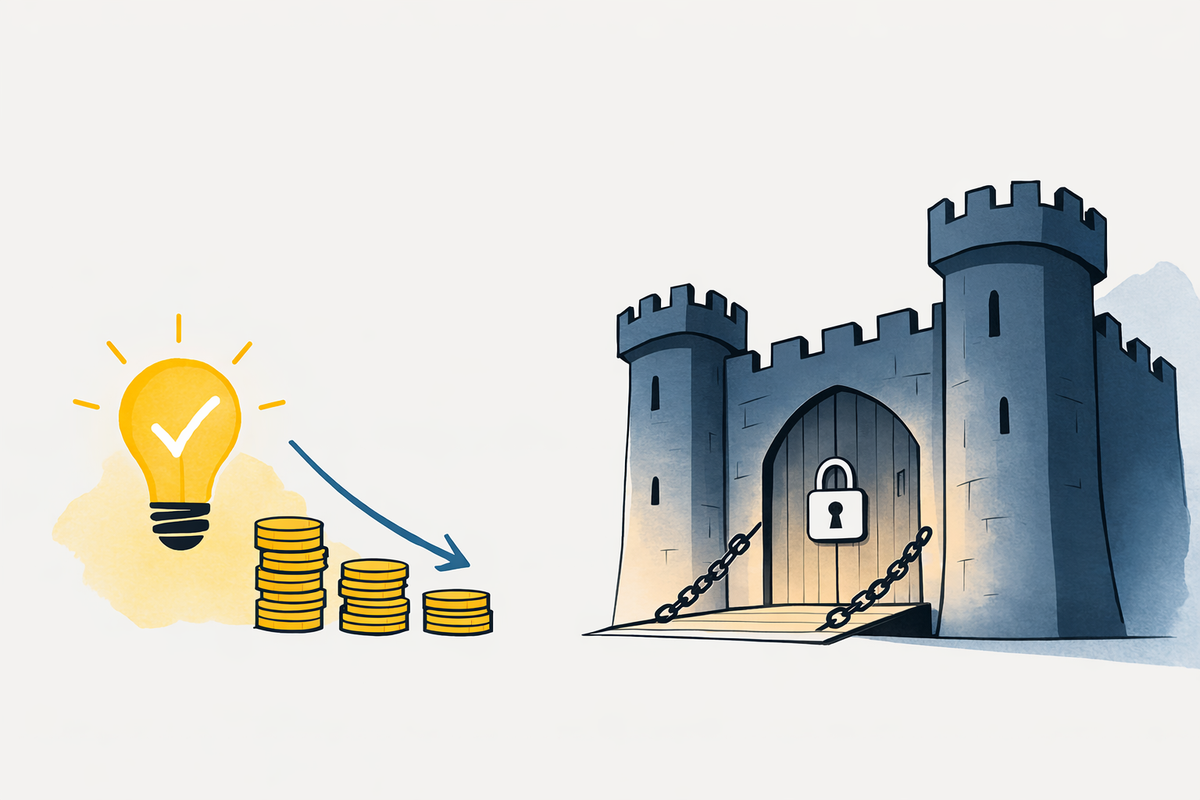
In March 2026, we have reached a strange milestone in the AI revolution: The "Intelligence Problem" is effectively over.
Between the release of GPT-5.2, Claude Opus 4.6, and the hyper-efficient Qwen 3.5 9B, we finally have models that can reason, code, and execute multi-step office tasks with the reliability of a high-performing associate. If you give these models the right context and guidelines, they can do the work. Full stop.
But if the "brain" is ready, why hasn't the world changed yet? Because we’ve hit two massive walls: Economics and Institutional Mindset.
1. The Economic Friction: A Short-Term Mirage
The first blocker is the sheer cost of "real" work. Today, most people are stuck on $20/month "Starter" plans: toys that offer only 5–10 deep-reasoning requests a day. To do actual agentic work, you need the $200 "Max" tiers, and even at that price, providers are likely losing money on you.
However, the solution to this economic gap is imminent. We are seeing a two-pronged shift that will dissolve this barrier:
- Intelligence Deflation: As models get smarter at a breakneck pace, the cost of "standard" high-level intelligence is plummeting. What was a frontier expense yesterday is a commodity today.
- The "Small is the New Big" Revolution: Models like Qwen 3.5 9B prove that you no longer need a massive cloud cluster for frontier-level reasoning. We are moving toward a world where the cost of an agentic workforce becomes insignificant—and in many cases, moves from the expensive cloud directly onto your local laptop.
Unless you are a "frontier chaser" who absolutely needs the largest experimental model at all times, the "intelligence tax" is about to vanish.
2. The Institutional Guardrail: The Consumption Trap
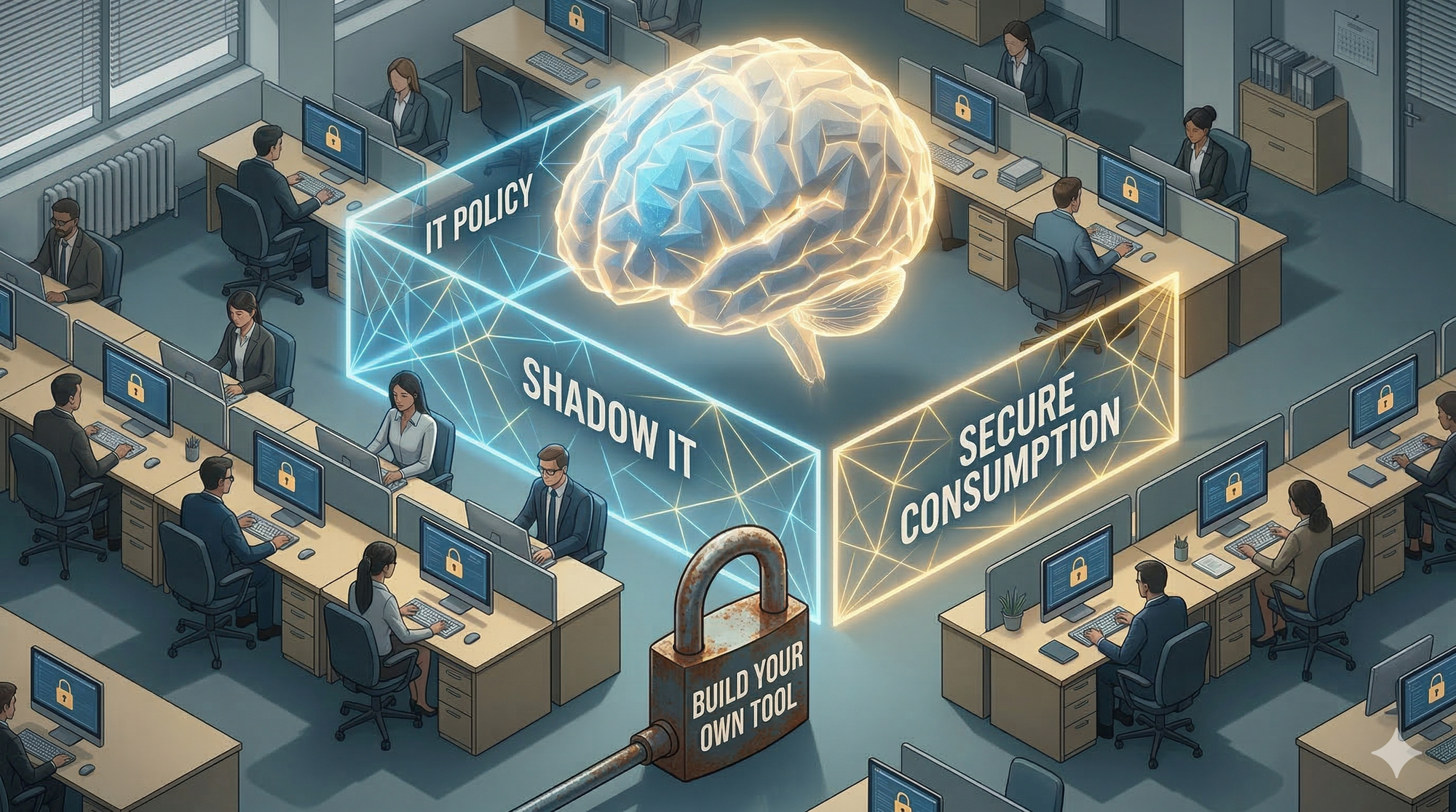
The second blocker is the way large enterprises are built. Most IT departments are designed for consumption, not creation. Employees are traditionally given "approved" tools and told to work within those boundaries. Building your own custom automation is often blocked by security protocols or dismissed as "shadow IT."
This creates a paradox: We have "Level 3" autonomous intelligence sitting on people’s desktops, but the corporate system is set up to keep employees as passive users of software rather than builders of solutions.
3. The Required Mindshift: From User to Architect
The final hurdle is the most personal: the user’s own mindset. For decades, we have been trained to wait for a software vendor to solve our problems. If you had a bottleneck, you waited for a "Feature Update."
That era is over. Because intelligence is now smart, cheap, and accessible, the professional must become the Architect.
Real value in 2026 doesn't come from "using AI"—it comes from building your own AI Harness. This is the custom layer of prompts, local data hooks, and personal guardrails that turns a raw model into your specialized tool. You shouldn't be waiting for an "AI for Lawyers" app; you should be architecting the harness that solves your specific Tuesday morning headache.
The Conclusion
The bottleneck isn't the AI’s IQ anymore. It’s the institutional courage to let employees build and the individual's willingness to stop being a "user."
The companies that win in 2026 won't be the ones that buy the most AI licenses; they will be the ones that empower their people to build their own harnesses.